Hidden Health Risks in New Mexico Hotels | What Deep Cleaning Removes
February 17, 2026
High Desert Hospitality: Why Deep Cleaning Matters More in New Mexico’sClimate
March 2, 2026
Renovations and peak season leave more behind than you think
In New Mexico hospitality, two moments cause the most hidden damage: after renovations
and after high season. Both leave behind more than visible mess—they leave fine dust,
embedded debris, and stressed assets that routine cleaning cannot undo.
A full reset isn’t optional at these points. It’s operational discipline.
Post-renovation: clean before you reopen
Renovation dust travels farther and settles deeper than expected. Even minor upgrades release
particles that embed into:
● Carpets and padding
● Upholstery and drapery
● Mattresses and headboards
● HVAC and PTAC systems
If a property reopens without deep cleaning, that dust gets redistributed into guest rooms and air
systems—creating comfort complaints and accelerated wear from day one.
Best practice:
Schedule a full deep cleaning before rooms return to inventory, not after issues appear.
After high season: reset before problems compound
Peak season pushes every asset harder:
● Higher foot traffic grinds soil into carpets
● Faster turns stress soft surfaces
● HVAC systems run nonstop
● Housekeeping teams are stretched thin
When high season ends, what looks like “normal wear” is often the early stage of permanent
damage.
A post-season reset removes embedded soil, restores airflow, and stabilizes assets before the
next occupancy cycle.
What a full reset actually includes
A true reset goes beyond surface cleaning. In New Mexico hotels, it typically covers:
● Hot water extraction of carpets and runners
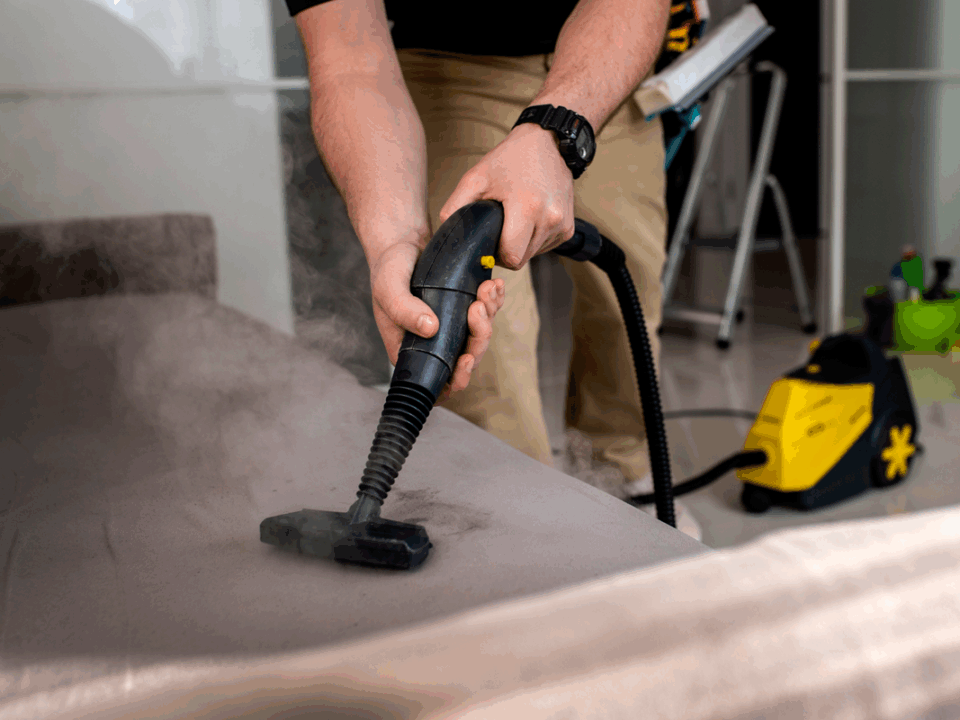
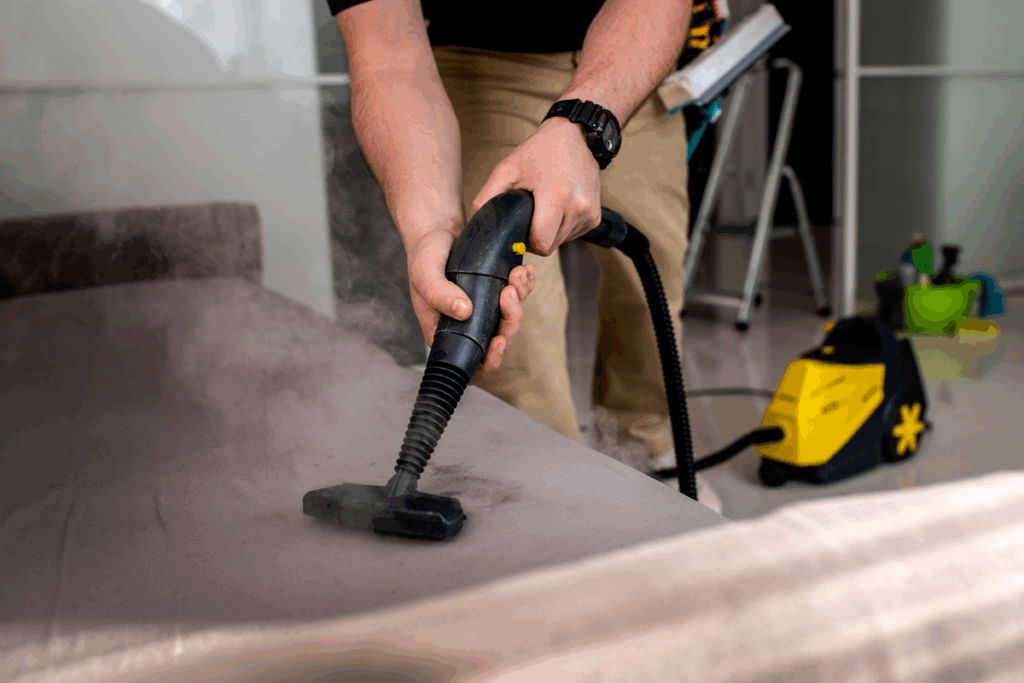
● Upholstery and mattress deep cleaning
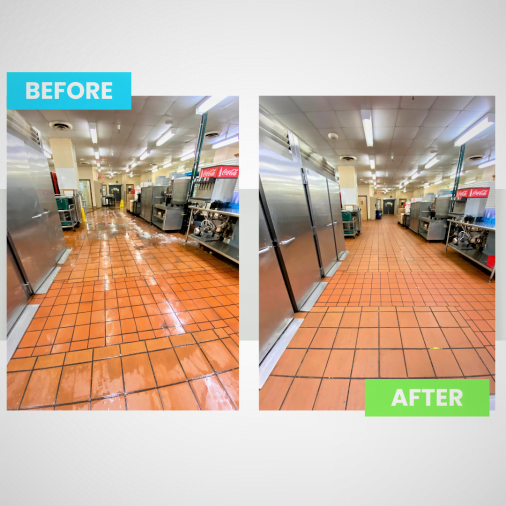
● Tile and grout restoration
● PTAC and HVAC cleaning
● High-touch and hard-to-reach areas missed during peak operations
This returns the property to a baseline condition—not just a cleaner look.
Timing is everything
The most effective resets are scheduled:
● During low or shoulder occupancy
● By wing, floor, or building
● In coordination with engineering and housekeeping
This minimizes disruption while maximizing results.
Waiting until complaints arise is already too late.
Documentation protects budgets and decisions
Smart New Mexico operators treat resets as documented maintenance, not one-off projects.
A proper reset includes:
● Service records by area
● Before-and-after documentation
● Recommendations for future intervals
This supports budget planning, QA audits, and capital forecasting with real data.
Skipping the reset costs more later
When hotels delay post-renovation or post-season deep cleaning:
● Carpet life shortens
● Grout stains permanently
● HVAC efficiency drops
● Guest perception declines
What could have been planned maintenance becomes reactive spending.
A reset keeps momentum—not damage
Renovations and busy seasons are investments. A full deep cleaning reset protects that
investment and ensures the property performs as intended.
Forward-looking takeaway:
If you’ve upgraded, pushed hard through peak season, or both—your property deserves a reset
before the next cycle begins.